Featured insights
Update
Scenario Builder goes global: model 163 countries, for free
Scenario Builder now includes simulation-ready datasets for 163 countries and 53 sub-national grid regions, so anyone can build a power system model in minutes, for free.
Analysis
Philippine grid upgrades could cut system costs by $20bn
NGCP's proposed grid upgrades could unlock up to 58 GW of renewables and $20bn in savings, but gas remains a transition risk until higher prices shift investment to hydro.
Analysis
Retiring Bangladesh's costliest coal plants could save $1 billion
Retiring Bangladesh's most expensive coal plants saves the system US$1.0bn by 2050 and cuts 67 MtCO₂ ($15/tCO2).
All articles
Explainer
Building TZ-OSeMOSYS-STEEL: our methodology
How we designed a tool – including data, assumptions, projections, and scenarios – to model the decarbonisation of Japan’s steel sector
Explainer
What is 24/7 Carbon Free Electricity?
24/7 carbon free energy is a way to purchase and account for clean electricity on an hourly basis
Explainer
How can nationally determined contributions help countries reach net zero emissions?
Concepts within NDCs that help policymakers plan for a net-zero energy system
Explainer
How do countries set greenhouse gas emissions limits?
Introducing NDCs – Nationally Determined Contributions – and the underlying assumptions and conditions that shape them
Explainer
What are greenhouse gas emissions limits and carbon budgets?
Why do we need them, who sets them, and how are they used for energy system modelling?
Explainer
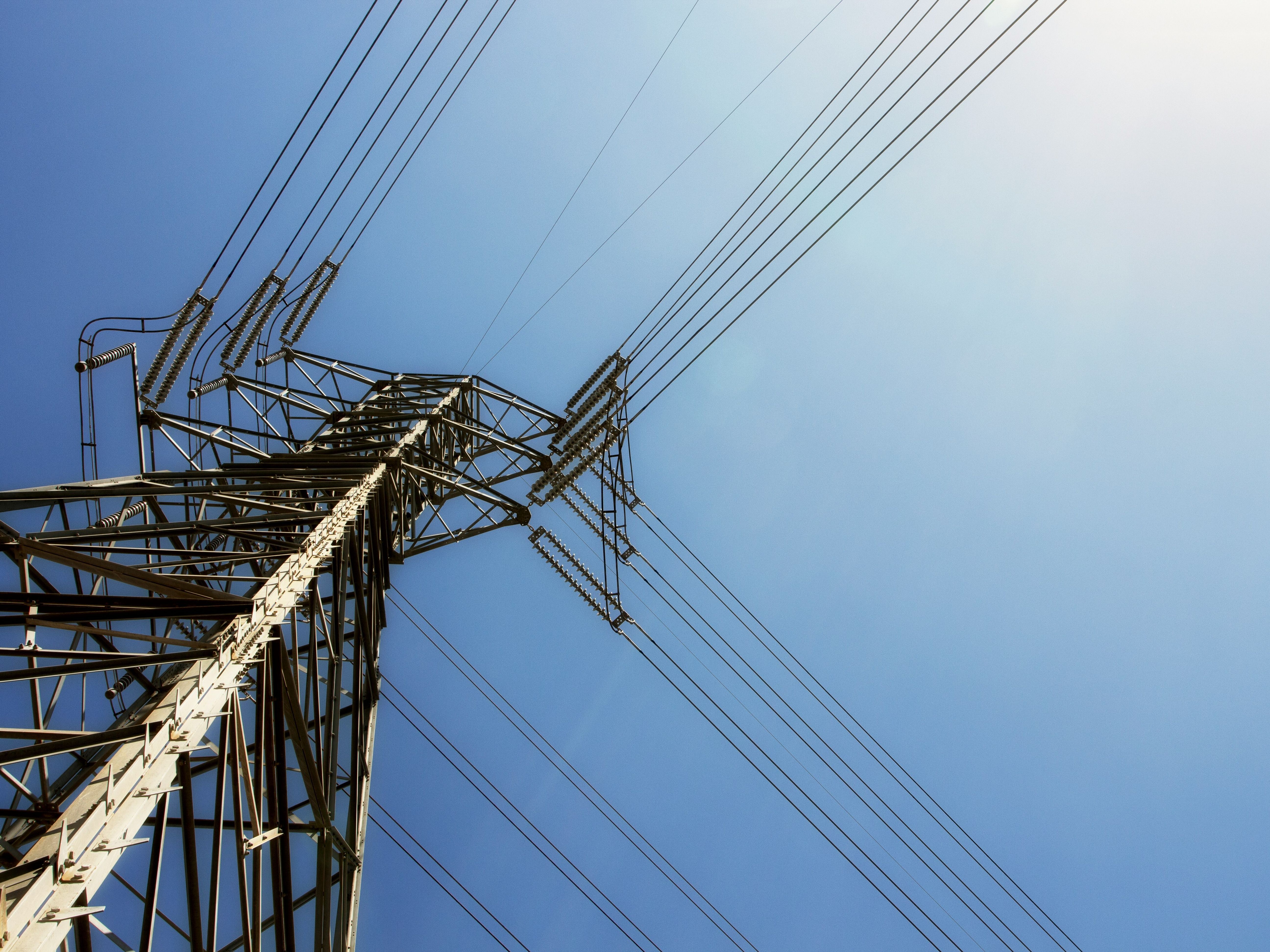
From Vision to Voltage with TZ-APG
Tracking Southeast Asia’s grid integration potential with our new, open access model
Explainer
Satellites and steel decarbonisation
How we're using satellite imagery to assess the steel sector's progress on decarbonisation
Explainer
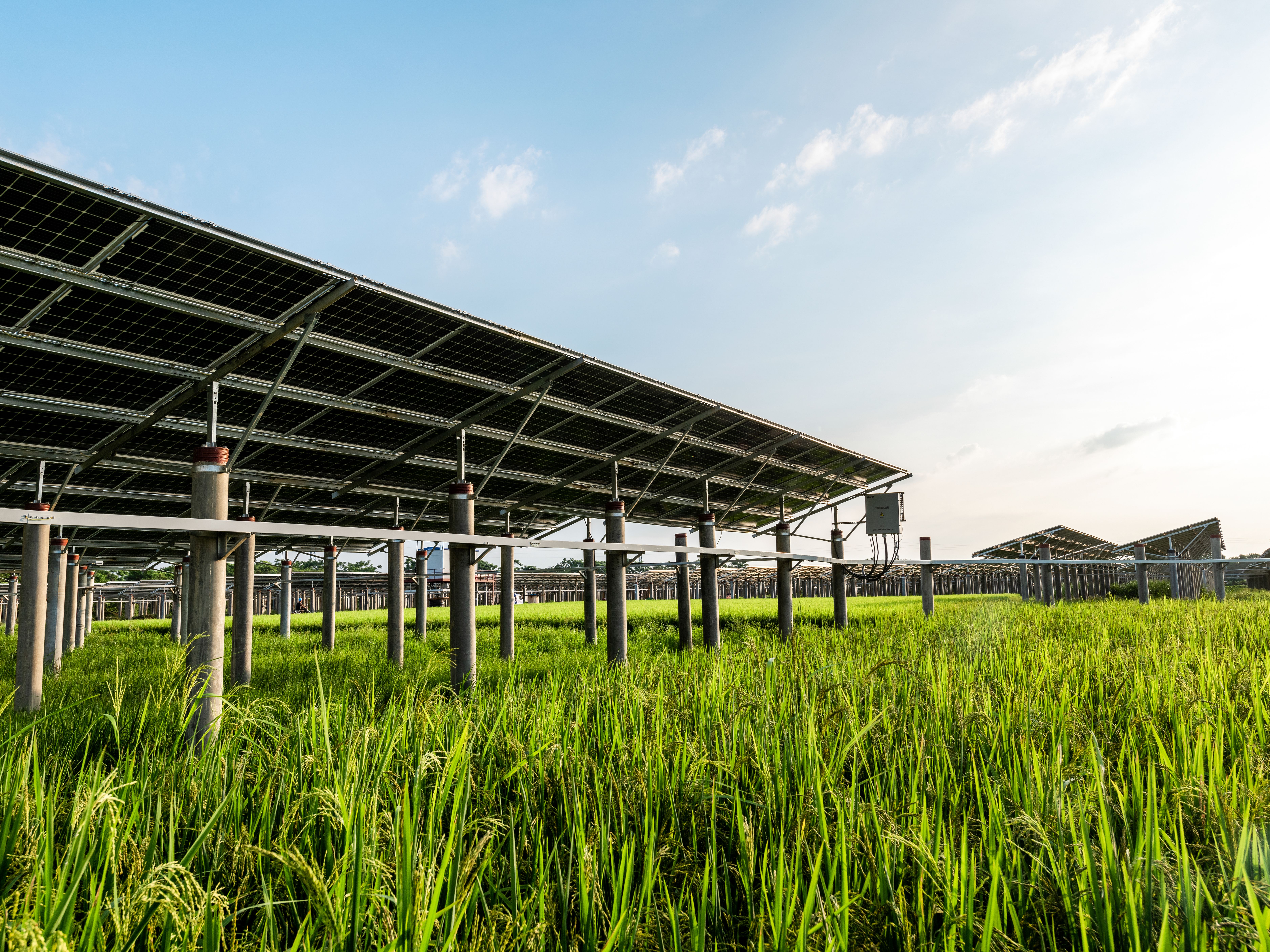
Introducing TZ-SAM: Solar Asset Mapper
A global solar asset dataset, powered by planetary-scale machine learning