Featured insights
Update
Scenario Builder goes global: model 163 countries, for free
Scenario Builder now includes simulation-ready datasets for 163 countries and 53 sub-national grid regions, so anyone can build a power system model in minutes, for free.
Analysis
Philippine grid upgrades could cut system costs by $20bn
NGCP's proposed grid upgrades could unlock up to 58 GW of renewables and $20bn in savings, but gas remains a transition risk until higher prices shift investment to hydro.
Analysis
Retiring Bangladesh's costliest coal plants could save $1 billion
Retiring Bangladesh's most expensive coal plants saves the system US$1.0bn by 2050 and cuts 67 MtCO₂ ($15/tCO2).
All articles
Analysis
Philippine grid upgrades could cut system costs by $20bn
NGCP's proposed grid upgrades could unlock up to 58 GW of renewables and $20bn in savings, but gas remains a transition risk until higher prices shift investment to hydro.
Analysis
Retiring Bangladesh's costliest coal plants could save $1 billion
Retiring Bangladesh's most expensive coal plants saves the system US$1.0bn by 2050 and cuts 67 MtCO₂ ($15/tCO2).
Analysis
Expanded Philippine grid cuts curtailment by nearly two thirds in 2035 but risks more coal
Expanding interconnectors across the main grids could unlock 873 GWh of clean energy, but also results in 5.74 TWh of coal.
Analysis
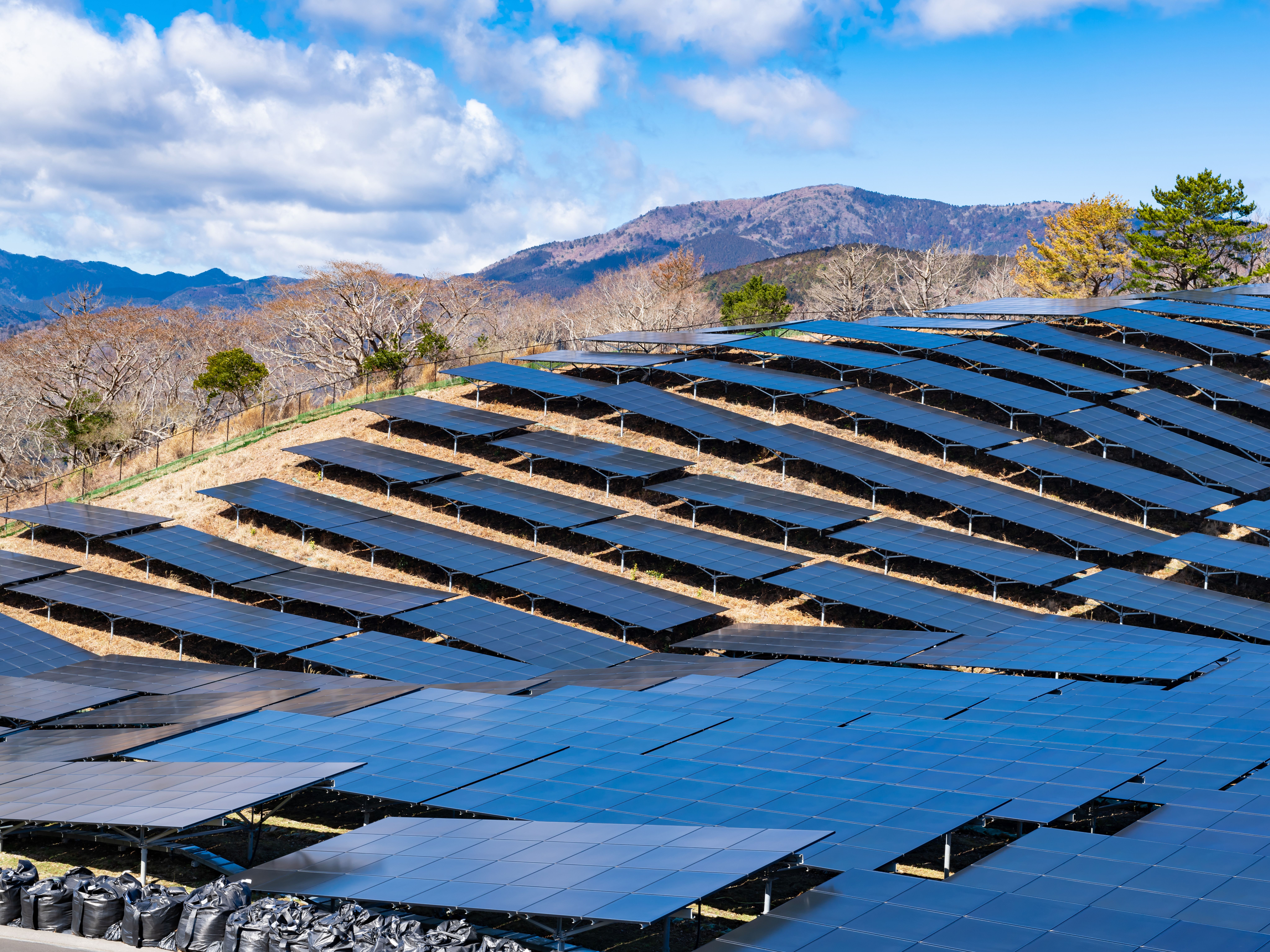
Japan can reach net zero more cheaply with mature renewables than with unproven innovative thermal
New modelling finds a renewable-led transition reaches net zero at 7% lower cost, with stronger economic returns and far less emissions risk than betting on unproven abated thermal.
Analysis
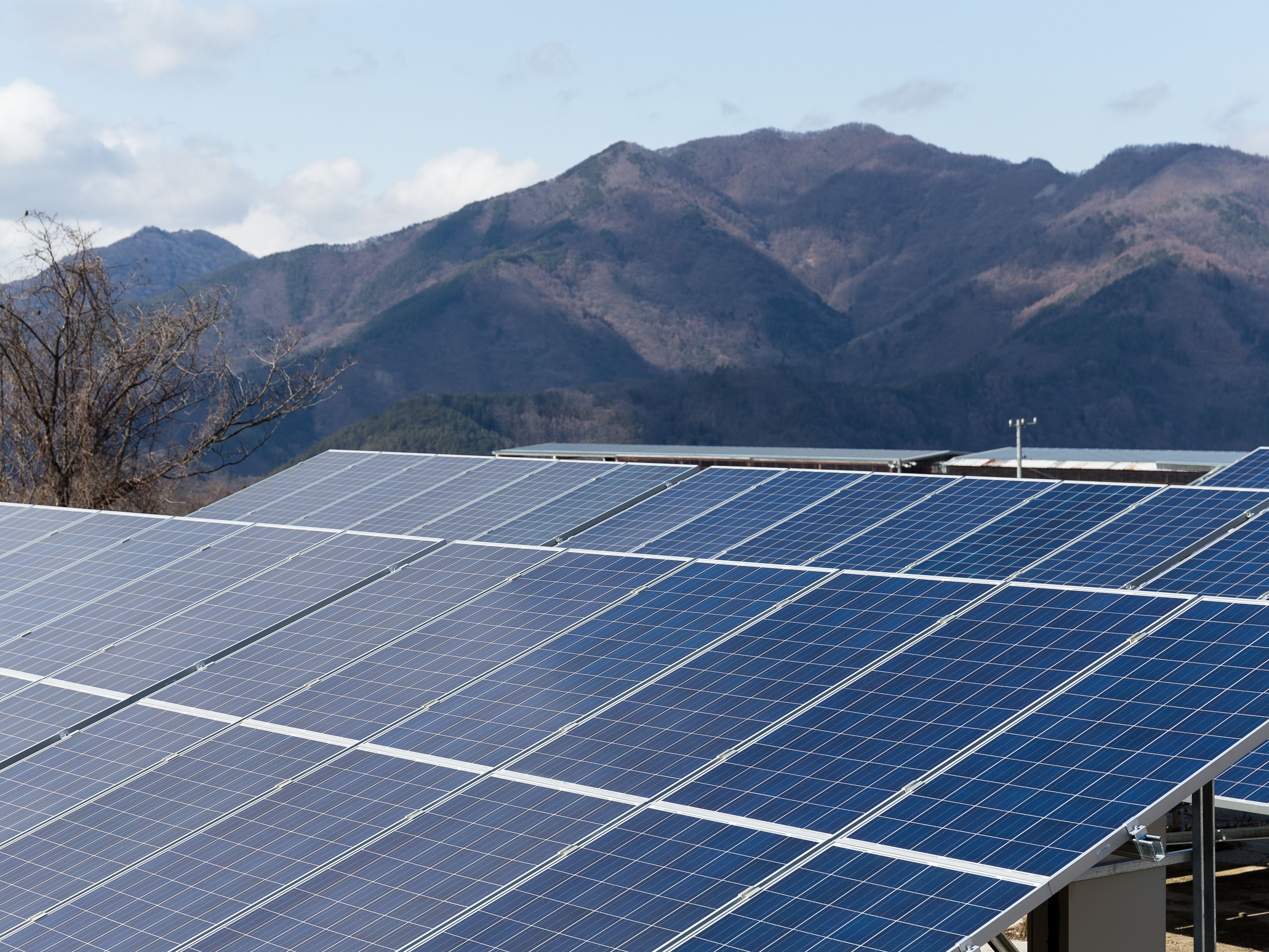
Hydrogen and ammonia are costly for Japan's power sector
Power generation from hydrogen and ammonia plants would come at a significant cost premium and would be best reserved for peak demand and system stability.
Analysis
How we modelled 24/7 CFE and green hydrogen for India’s steel sector
Using our Indian power sector model to understand system effects, landed costs for steelmakers, and the assumptions behind them.
Analysis
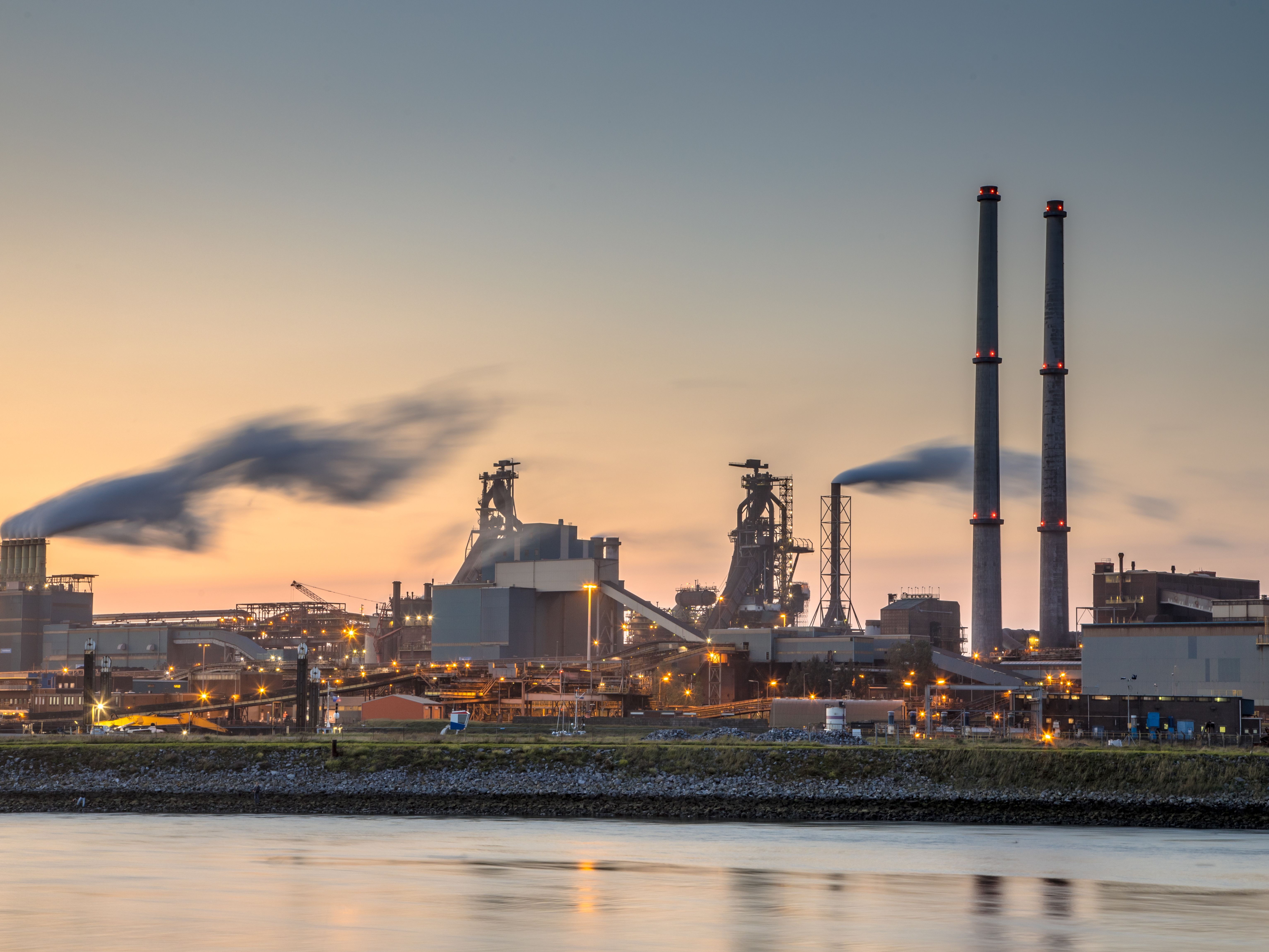
Green steel, hour by hour: decarbonising India's steel
24/7 carbon-free electricity (CFE), green hydrogen, and shared renewable procurement together offer Indian steel a low-cost path to decarbonisation.
Analysis
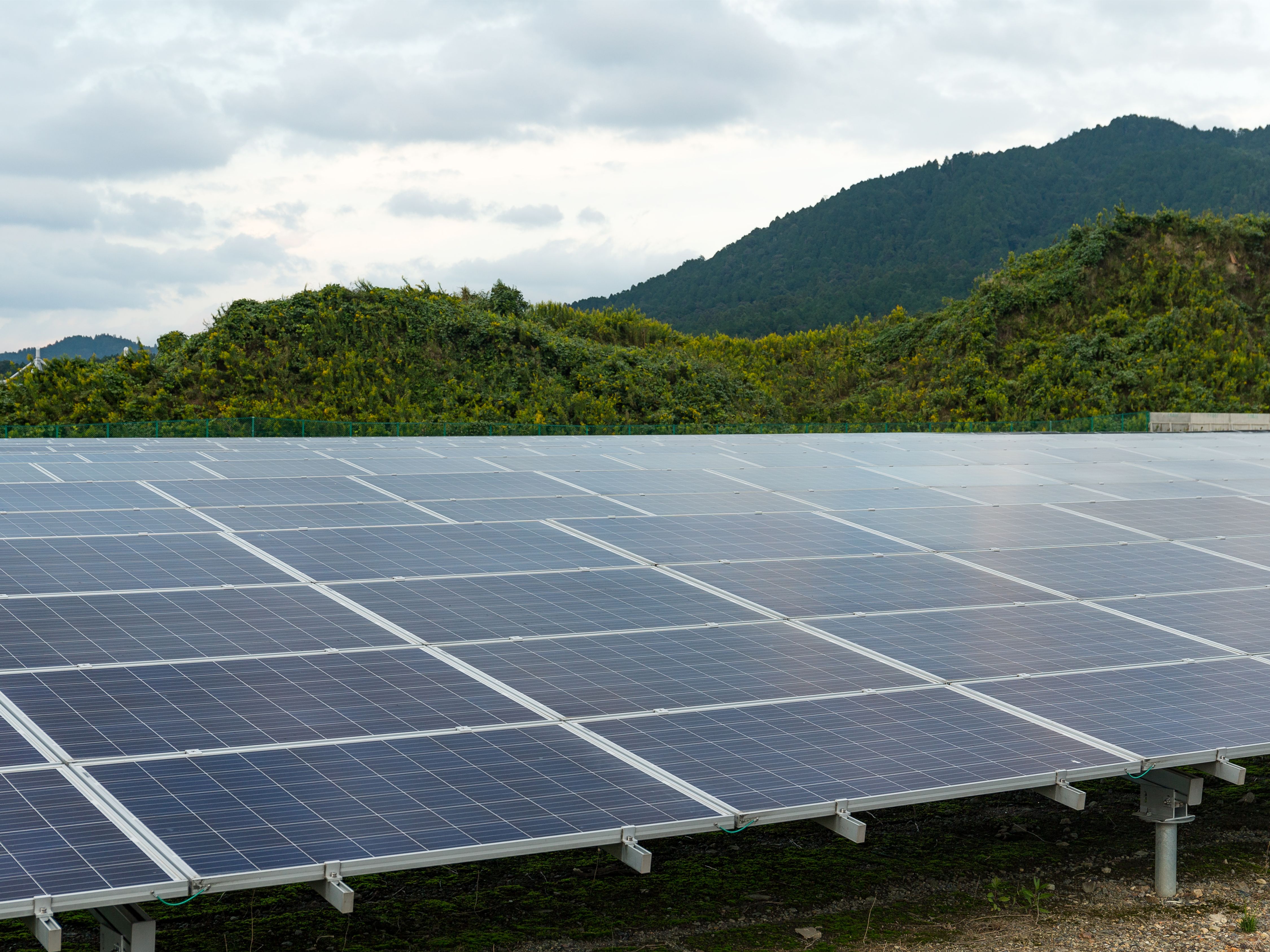
Nusa Tenggara’s first solar gigawatt displaces Java’s coal, not local diesel
In our model, Nusa Tenggara's diesel fleet already sits idle by 2034. The first gigawatt of solar therefore displaces Java's subcritical coal instead, cutting 1.78 MtCO₂ a year at a net system cost of US$28.4 million (IDR 511 billion), around US$16 per tCO2 avoided